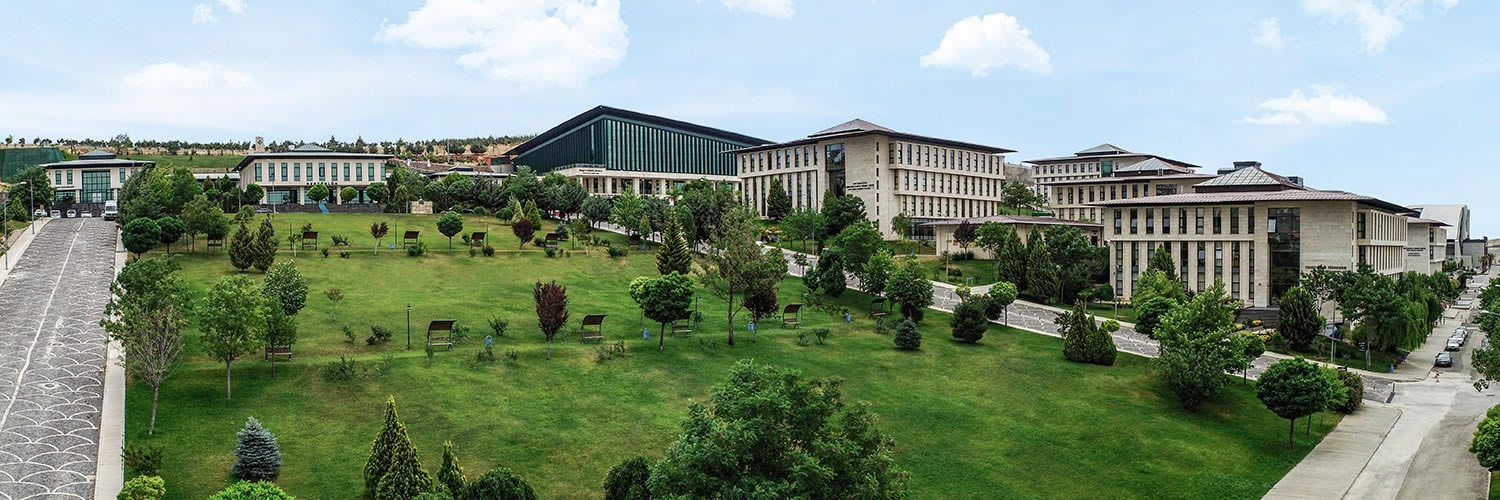
HKÜ Research and Academic Performance System
DSpace@HKÜ is an integrated information system that unifies the monitoring, analysis and reporting of scientific research and academic performance at Hasan Kalyoncu University.

Recent Submissions
Item type:Item, A Comparative Evaluation of Deep Learning and Machine Learning Models for River Suspended Sediment Concentration Forecasting(Water Resources Management, Dec 23 2025) Gharehbaghi, Amin; Heddam, Salim; Mehdizadeh, Saeid; Kim, SungwonSuspended sediment concentration (SSC) in rivers is a crucial parameter required in hydrological studies, water resources management, and many other relevant applications. This study presents a comparative assessment of deep learning (DL) and machine learning (ML) methods in river SSC prediction of two river stations on the Mississippi River, United States. To that end, two single DL models, namely recurrent neural networks (RNN) and bidirectional RNN (BiRNN) were developed. Generally, the RNN was found to outperform the BiRNN for predicting SSC. Furthermore, a convolutional neural network (CNN) was coupled on the applied DL models to create the hybrid RNN-CNN and BiRNN-CNN models. The results denoted that the BiRNN-CNN models generally performed better compared with RNN-CNN ones. Besides the four types of DL models, three forms of ML models, including adaptive boosting (AdaBoost), natural gradient boosting (NGBoost), and gradient boosting regression trees (GBRT) were also established. As a general conclusion, NGBoost and GBRT demonstrated the highest and lowest level of accuracy in river SSC forecasting. Eventually, the influence of input predictors on the outputs of models was done considering local interpretable model-agnostic explanations (LIME). Assessing the LIME outcomes for the selected samples of the test data revealed that the current daily river streamflow and one daily lagged SSC data were the most effective inputs on SSC prediction results.Item type:Item, Relationship between childhood traumas, cognitive distortions and aggression in forensic psychiatry patients aggression in forensic psychiatry patients(Journal Of Forensic Psychiatry & Psychology, Dec 2025) Atay, Eda; Dogan, Ufuk; Isil, Ozlem; Hekim, Buke; Kilic, NiluferAggression is a common problem in forensic psychiatric patients and an important problem for psychiatric nurses during the treatment, care and rehabilitation of patients. The aim of this study is to determine the relationship between childhood traumas, cognitive distortions and aggression in forensic psychiatry patients. This descriptive study was conducted with 103 forensic psychiatry patients treated in a high security forensic psychiatry hospital. The data of study were collected Introductory Information Form, Childhood Psychological Traumas Scale (CTQ), Cognitive Distortions Scale (CDS) and Buss-Perry Aggression Scale (BAQ). The data of the study were collected using the Introductory Information Form, the Childhood Trauma Questionnaire (CTQ), which assesses traumatic experiences in childhood; the Cognitive Distortions Scale (CDS), which measures dysfunctional thought patterns; and the Buss-Perry Aggression Questionnaire (BAQ), which evaluates levels of aggression. The study found a significant positive correlation among childhood traumas, cognitive distortions, and aggression, indicating that higher levels of childhood trauma and cognitive distortions are associated with increased aggression. This study highlights the importance of considering both early traumatic experiences and cognitive processes together in the management and prevention of aggression among forensic psychiatric patients. The findings emphasize the necessity of taking these factors into account for risk assessment and effective treatment planning.Item type:Item, Effects of Dual-Task Stroboscopic Visual Training on Balance, Functional Mobility, and Gait in Children Who Are Hard-of-Hearing: A Exploratory Randomized Controlled Study(Multidisciplinary Digital Publishing Institute (MDPI), December 2025) Usgu, Serkan; Yakut, Yavuz; Gözen, HafizaObjective: This study aimed to investigate the effects of dual-task stroboscopic visual training (DTSVT) on balance, functional mobility, and gait in children who are hard-of-hearing. Methods: This randomized controlled study included 31 children (17 girls, 14 boys) with congenital sensorineural hearing loss. Participants were assigned to one of three groups: control group, conventional balance training (CBT) group, and DTSVT group. The CBT and DTSVT groups participated in an exercise program for 16 weeks, twice weekly, for 40 min (a total of 24 sessions). Static balance was assessed using the Tandem Romberg test and Single-Leg Stance (SLS) test, while dynamic balance was evaluated using the Functional Reach Test (FRT), balance disc test, and the Four Square Step Test (FSST). The Pediatric Balance Scale (PBS) was used as a subjective balance assessment. Functional mobility was assessed using the Timed Up and Go (TUG) Test, Step Test, 10 m Walk Test (10 MWT), and Functional Gait Assessment (FGA). Postural sway parameters were recorded using the GyKo device, including Sway Area (EA, cm2), Distance Length (DL, cm), Length (anterior–posterior (AP)) (cm), Length (medial–lateral (ML)) (cm), Mean Distance (D) (cm), Mean Distance (AP) (cm), and Mean Distance (ML) (cm). Results: Significant between-group differences were primarily observed in favor of the DTSVT group post-treatment, particularly in PBS scores, GyKoDL values during the eyes-open SLS test, and TUG test completion times (p < 0.05). Some baseline differences were noted among groups in functional reach distance, FSST completion time, and eyes-closed duration on the Balance Disc test (p < 0.05). Within-group comparisons revealed significant improvements in FSST times in both intervention groups, reduced postural sway parameters during the FRT in the DTSVT and control groups, and increased eyes-closed Tandem Romberg duration in the CBT group (p < 0.05). Most other outcome measures did not demonstrate statistically significant changes either within or between groups (p > 0.05). Conclusions: Dual-task stroboscopic visual training was more effective than conventional balance training in improving specific aspects of balance and functional mobility in children who are hard-of-hearing. These findings highlight the potential of adding cognitively demanding and visually engaging balance tasks to rehabilitation programs for this population. Larger and more diverse samples in future studies are needed to enhance the generalizability of these results. Studies that assess balance and gait using standardized clinical or laboratory tests may be particularly valuable. Given the small sample size and multiple comparisons, the results should be considered preliminary and exploratory. © 2025 by the authors.Item type:Item, Time-Based Fire Resistance Performance of Axially Loaded, Circular, Long CFST Columns: Developing Analytical Design Models Using ANN and GEP Techniques(Multidisciplinary Digital Publishing Institute (MDPI), December 2025) Özelmacı Durmaz, Ç. Özge; Nassani, Dia Eddin; İpek, Süleyman; Mete Güneyisi, EsraConcrete-filled steel tube (CFST) columns are composite structural elements preferred in various engineering structures due to their superior properties compared to those of traditional structural elements. However, fire resistance analyses are complex due to CFST columns consisting of two components with different thermal and mechanical properties. Significant challenges arise because current design codes and guidelines do not provide clear guidance for determining the time-dependent fire performance of these composite elements. This study aimed to address the existing design gap by investigating the fire behavior of circular long CFST columns under axial compressive load and developing robust, accurate, and reliable design models to predict their fire performance. To this end, an up-to-date database consisting of 62 data-points obtained from experimental studies involving variable material properties, dimensions, and load ratios was created. Analytical design models were meticulously developed using two advanced soft computing techniques: artificial neural networks (ANNs) and genetic expression programming (GEP). The model inputs were determined as six main independent parameters: steel tube diameter (D), wall thickness (ts), concrete compressive strength (fc), steel yield strength (fsy), the slenderness ratio (L/D), and the load ratio (μ). The performance of the developed models was comprehensively compared with experimental data and existing design models. While existing design formulas could not predict time-based fire performance, the developed models demonstrated superior prediction accuracy. The GEP-based model performed well with an R-squared value of 0.937, while the ANN-based model achieved the highest prediction performance with an R-squared value of 0.972. Furthermore, the ANN model demonstrated its excellent prediction capability with a minimal mean absolute percentage error (MAPE = 4.41). Based on the nRMSE classification, the GEP-based model proved to be in the good performance category with an nRMSE value of 0.15, whereas the ANN model was in the excellent performance category with a value of 0.10. Fitness function (f) and performance index (PI) values were used to assess the models’ accuracy; the ANN (f = 1.13; PI = 0.05) and GEP (f = 1.19; PI = 0.08) models demonstrated statistical reliability by offering values appropriate for the expected targets (f ≈ 1; PI ≈ 0). Consequently, it was concluded that these statistically convincing and reliable design models can be used to consistently and accurately predict the time-dependent fire resistance of axially loaded, circular, long CFST columns when adequate design formulas are not available in existing codes.Item type:Item, Square-difference factor absorbing submodules of modules over commutative rings(Sciendo, 1 October 2025) Celikel, Ece Yetkin; Khashan, Hani A.Let R be a commutative ring with identity and M an unitary Rmodule. Recently, in [5], Anderson, Badawi and Coykendalla defined a proper ideal I of R to be a square-difference factor absorbing ideal (sdf-absorbing ideal) of R if whenever a 2 − b 2 ∈ I for 0 6= a, b ∈ R, then a + b ∈ I or a − b ∈ I. Generally, this article is devoted to introduce and study square-difference factor absorbing submodules. A proper submodule N of M is called square-difference factor absorbing (sdf-absorbing) in M if whenever m ∈ M and a, b ∈ R\AnnR(m) such that (a 2 − b 2 )m ∈ N, then (a + b)m ∈ N or (a − b)m ∈ N. Many properties, examples and characterizations of sdf-absorbing submodules are introduced, especially in multiplication modules. Comparing this new class of submodules with classical prime submodules, we present new characterizations for von-Neumann regular modules in terms of sdf-absorbing submodules. Further characterizations of some special modules in which every nonzero proper submodule is sdf-absorbing are investigated. Finally, the sdf-absorbing submodules in amalgamated modules are studied